How about how to Prevent Spiders from Coming Inside Your Scarborough Home
Why spiders enter homes in Scarborough
To prevent spiders indoors, it helps to know spider behaviour first. Most spiders are not trying to “move in” like people; they are seeking food, shelter, and stable conditions. In Scarborough, that often means homes with easy entry points, consistent indoor temperatures, and plenty of insects nearby.
Seasonal changes play a big role. During fall and winter transitions in Scarborough, spiders often move indoors seeking warmth and shelter, especially when outdoor temperatures drop and dry conditions push them toward basements, garages, and quiet corners. In humid summer months near Lake Ontario, insect activity can increase, which gives spiders more to feed on and makes the home perimeter more attractive.
Homes across Scarborough vary widely, from older detached homes to townhomes and condo buildings, and that variety affects spider pressure. Older houses may have more cracks, gaps, and foundation issues, while condos can have shared wall spaces, utility chases, and openings around service lines. A local pest control Scarborough plan should consider these differences rather than relying on one-size-fits-all advice.
Spider activity indoors is usually a sign that the environment is favourable, not that the home is dirty. House spiders, cellar spiders, and wolf spiders all take advantage of calm, sheltered spaces. Webs in corners, egg sacs near hidden ledges, and repeated sightings in the same room can indicate that spiders have found a stable path inside.
Frequent spider entry areas to review
The best spider prevention starts with a thorough inspection of entry points. Spiders do not need a lot of space to get in, so even tiny cracks and gaps can matter. A good first step is to go around the home and look at the exterior at eye level and near the foundation.
- Cracks and spaces: Look over around siding, brick mortar, trim, vents, and utility lines.
- Screens on windows: Look for torn screens, loose edges, and screen frames that do not fit tightly.
- Bottom door seals: Ensure doors close snugly and that there is no daylight under exterior doors.
- Openings in the foundation: Inspect the base of the home, including basement windows, window wells, and service entries.
Many Scarborough houses often have foundation cracks that open slightly with seasonal movement, especially in older detached homes and some townhomes. Window and door gaps can also widen over time. If spiders seem to appear in the same room regularly, there is often a nearby opening that is being overlooked.
Give extra attention to basements, where spiders commonly enter through foundation openings, utility penetrations, and areas around vents or sump systems. These spaces are often less sealed than the rest of the home, and the combination of humidity, darkness, and storage clutter makes them ideal hiding spots for spider webs and egg sacs.
How to protect your home against spiders
Once you identify weak spots, the next step is to close entry points properly. Effective crack sealing is one of the most effective ways to prevent spiders from coming inside. The goal is to close the small openings spiders use while also reducing access for the insects they feed on.
Caulking is helpful for small cracks around trim, siding joints, baseboards, and exterior gaps where materials meet. Use a quality exterior-grade caulk that matches the surface and can withstand Scarborough’s seasonal weather shifts. Caulking should be applied after the area is cleaned and dried, since dust and moisture can reduce adhesion.
Weatherstripping should be fitted or replaced around exterior doors, sliding doors, and garage access points. Worn weatherstripping creates window and door gaps that spiders can use as an entry route. A proper seal also helps reduce drafts, which can improve energy efficiency as a bonus.
Mesh screening is important for vents, attic openings, and other protected spaces where airflow is needed. Fine mesh can help block spiders while still allowing ventilation. Check that all screens are intact and firmly attached, especially on basement windows https://brampton-onni025.quillnesty.com/posts/top-stays-in-markham-on-for-family-trips-couples-and-business-trips and window wells where access points are common.
Utility penetrations deserve special attention. Pipes, wires, cable lines, and conduits often leave small spaces around them that are easy to miss. These gaps are common around basements, foundations, and utility areas. Seal them carefully with the right material for the surface, and do not block anything that requires service access or ventilation.
A thorough home perimeter check should be repeated at least seasonally. Small shifts in siding, moisture, or temperature can reopen gaps. For many homeowners, pairing sealing work with a professional pest inspection is the best way to make sure nothing is missed.
Indoor and outdoor habits that help reduce spiders
Spider control is not just about sealing the home; daily habits matter too. A handful of basic routines can make the indoor environment more unfavorable and less stable for spiders.
Cutting clutter is one of the simplest improvements. Spiders prefer undisturbed areas such as storage rooms, closet corners, boxes in basements, and the backs of furniture. Reducing clutter removes hiding places and makes webs easier to spot. In homes with busy family schedules, even a small weekly tidy-up can make a difference.
Vacuuming helps remove spider webs, egg sacs, and the insects that attract spiders in the first place. Focus on corners, baseboards, behind appliances, along ceiling edges, and under furniture. Vacuum regularly in basements and utility rooms, where activity is often overlooked. This also helps you notice early signs of recurring spider pressure before it becomes a bigger issue.
Home lighting around the home can either attract or discourage insect activity. Bright exterior lighting near doors and garages often draws flies, moths, and other bugs that spiders feed on. Consider using lower-attraction bulbs, placing lighting farther from entry doors, or switching fixtures off when not needed. Managing exterior lighting is a practical way to reduce attractant insects near the home perimeter.
Outdoor landscaping also affects spider activity. Keep shrubs trimmed away from siding, clear debris from foundation edges, and avoid stacking firewood or yard materials directly beside the house. Landscape mulch, dense ground cover, and leaf litter can shelter insects and spiders near the foundation. Good landscaping maintenance reduces harborage and limits easy access to entry points.
Outside, keep garage doors closed, store bins tightly, and remove spider webs from soffits, porch lights, and utility corners. Inside, a clean, dry, low-clutter home is far less inviting to spiders, especially in rooms that are used less often.
How to manage the bugs spiders consume
If you want lasting spider prevention, you need to address the food source. Spiders often track other pests, especially minor attractant insects collected around lights, moisture, or stored items. Where there are insects, spiders usually have a reason to stay.

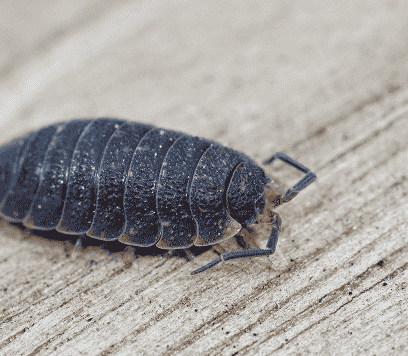
That means spider control should be part of a larger plan for other pests. Reduce crumbs, seal food containers, and clean up standing water or damp areas where insects gather. Repair leaky plumbing, manage basement humidity, and keep storage zones dry. These steps take away the food sources that support spider activity.
Integrated pest management is the most effective method here. An IPM approach combines inspection, exclusion, sanitation, habitat reduction, and targeted treatments when necessary. Instead of depending on sprays alone, IPM focuses on the reasons spiders are present. That may include identifying insect hotspots, fixing moisture issues, and changing exterior conditions that support recurring infestations.
In Scarborough, humid summer conditions near the lake can increase insect populations around homes, which in turn supports spiders. If porch lights, vents, or basement windows are drawing insects, the home can become more attractive to spiders even if the interior is clean. Managing insects is one of the most reliable ways to reduce the spider population over time.
When home spider protection is insufficient
Do-it-yourself control works successfully for many homes, but there are situations where spider activity persists. If you are seeing constant webs, multiple egg sacs, or regular sightings in different rooms, that may point to a more serious spider infestation or a hidden access entry point.
A expert inspection can identify problems that are easy to miss, such as hidden foundation openings, poorly sealed utility lines, damp basement areas, or exterior conditions that are harboring insects. A trained technician can also determine whether you are dealing with house spiders, cellar spiders, wolf spiders, or a mix of species that need different prevention priorities.
Professional pest control Scarborough services can also be useful when spiders are ongoing in basements, garages, and storage spaces, or when the home has a history of periodic pest activity. A residential pest control plan may include exclusion work, web removal, monitoring, and recommendations to prevent recurring infestations.
It is also worth considering professional help if you are dealing with a larger property, a multi-unit building, or a home with hard-to-reach areas. Condos and townhomes can have shared entry routes, utility chases, and structural gaps that are difficult to assess without experience. In these cases, a residential pest service with a careful inspection process can save time and reduce long-term frustration.
Mosquito Man Scarborough1225 Kennedy Rd, Scarborough, ON M1P 4Y1, Canada
+1 647-243-7241
https://maps.app.goo.gl/8SuLx1MkkqVJFc2m9 https://mosquitoman.ca/pest-control/scarborough/
43.7561897, -79.2751574
Proper spider control is not just about removing what you see today. It is about ongoing prevention, especially through fall and winter when spiders commonly move indoors seeking shelter. If the same issues keep reappearing after DIY efforts, a professional pest inspection is a smart next step.
Spider control guidelines for Scarborough houses and condos
Scarborough’s varied housing leads to various spider access points. Aging homes may have extra cracks in the foundation, deteriorated seals, and worn window screens. Town houses can have shared walls and utility spaces that enable pests to enter from adjoining areas. Multi-unit buildings frequently have shared infrastructure, utility penetrations, and covered parking or common storage where spiders can hide before reaching suites.
For established homes, pay attention to basement protection, foundation repairs, and vent screening and window wells. These houses often need more attention around cracks and gaps that build up over time. Because basements are common in many Scarborough houses, basement humidity should be monitored closely. A dehumidifier can reduce moisture and make the area less appealing to insects and spiders.
For below-grade suites, inspect the lower level in detail, including escape windows, utility openings, storage corners, and service rooms. Basement living areas often have more contact with foundations, making them vulnerable to spider entry. Reduce clutter, clean with a vacuum frequently, and store boxes off the floor where possible.
For condominiums, spider prevention frequently comes down to upholding a well-kept suite boundary and reporting property-related concerns without delay. Damaged screens, openings around HVAC lines, and openings near balconies or utility closets can all create access routes. Because condos can share structural components, prevention may need cooperation with building management or maintenance staff.
For humid areas, moisture control is key. Scarborough summers can be muggy, especially in basement levels and shaded areas. Use dehumidifiers where needed, use bathroom fans, and address leaks quickly. Lower humidity reduces insect buildup and reduces the conditions that enable spiders to thrive.
Across all property types, the fundamentals remain the same: inspect entry areas, close gaps, control lighting, minimize clutter, and keep landscaping away from the home. Such habits are especially effective when done again before seasonal pest activity ramps up in fall and again during spring warm-ups.
Spider prevention FAQ for the inside of your home
Why do spiders keep coming inside my house?
Spiders usually come inside because your home offers shelter, warmth, and access to insects. If there are cracks, gaps, screens with damage, or foundation openings, spiders can get in easily. In Scarborough, fall and winter transitions often push spiders indoors, while humid summer conditions can increase insect activity that attracts them. Careful inspections and proper sealing often help cut down the problem.
What is the most natural way to keep spiders outside?
The most effective non-chemical strategy is to pair entry prevention, sanitation, and harborage reduction. Close entry points with caulking and draft stripping, keep screens in proper shape, vacuum frequently, reduce clutter, and manage landscaping around the home. You can also use non-toxic deterrents as part of the routine, but they work best when paired with spider webs removal and moisture control. Natural methods are most effective when they are consistent.
Do spiders mean I have other pests in my home?
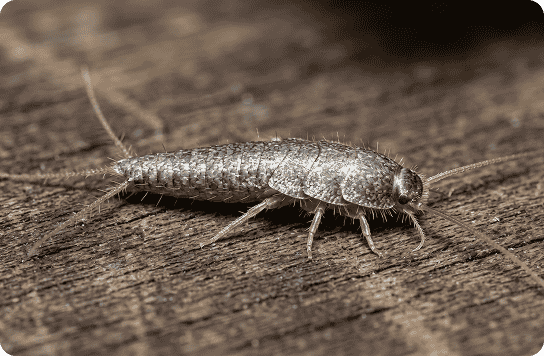
Usually, yes. They feed on insects, so if you are seeing more spiders, there may be different pests nearby. For that reason, reducing attracting insects and food sources is such an important part of spider prevention. It is also why an comprehensive pest management plan can be more effective than treating spiders alone. When you control the insects, you make the home less appealing to spiders as well.
Should I call pest control Scarborough for spider problems?
Absolutely, particularly if spiders keep reappearing, you are finding spider eggs, or you suspect a wider spider infestation. Pest control Scarborough professionals can conduct a professional inspection, identify hidden entry points, and recommend a home pest service plan that suits your home. This is particularly useful in older homes, condos, and basement-heavy properties where the source of the problem may not be obvious.
How do I stop spiders from coming into my basement?
Start by examining basement windows, window wells, foundation cracks, and utility penetrations. Fill gaps with the right supplies, improve weatherstripping, and repair or repair mesh screening where needed. Cut down on basement humidity with ventilation or a dehumidifier, remove clutter, and vacuum regularly. Because basements are common entry and hiding areas in Scarborough homes, ongoing prevention is important. If spiders continue to appear, a professional pest inspection can help identify the source.