Green Pest Control in Scarborough, ON
Why Green Pest Control Matters in Scarborough
Property owners and property managers looking for pest control Scarborough solutions often want more than quick results. They want eco friendly pest control that protects their home without creating unnecessary risk for children, pets, or the surrounding environment. In Scarborough, ON, that concern matters even more because the area includes high-traffic residential streets, apartment buildings, and neighbourhoods close to green space, the Scarborough Bluffs, and Lake Ontario. Humidity, shifting weather, and urban density all affect pest activity.
Scarborough homes come in many types, from detached houses to townhouses and condominiums. Each property type brings different access points, nesting opportunities, and treatment challenges. An environmentally friendly pest control approach uses integrated pest management, low-impact treatments, and long-term pest prevention strategies instead of relying on broad pesticide use. That means healthier day-to-day living, stronger family safety, and better pet safety.
For many residents, the goal is not just removing pests once, but building long-term protection with preventive control and a practical custom plan. This is where green pest solutions stand out. They focus on sustainable pest management, chemical reduction, and effective results with minimal disruption to your home or business.

Frequent Pests in Scarborough Properties
Because Scarborough belongs to Toronto and is located in the broader Durham Region and GTA pest corridor, pest pressure changes throughout the year and varies by property type. The most common calls for residential pest services and commercial pest services often feature ants, mice, wasps, and cockroaches.
Ant control is a frequent concern in spring and summer when trails appear around kitchens, basements, and foundation gaps. Ants often enter through tiny entry points near windows, utility lines, or cracks in concrete. In condo buildings and townhomes, ants can also travel through shared walls and service chases, making a building-wide approach more effective.
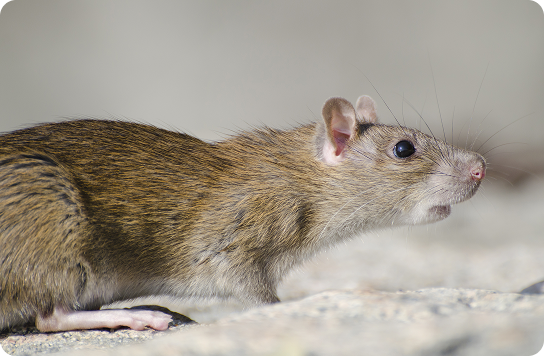
Mice become especially active when temperatures drop. Rodent control in Scarborough often requires beyond traps. It usually involves locating sealed openings, setting baiting systems where appropriate, and using exclusion methods to block re-entry. Detached houses near older tree cover or open lots can see rodents move in from garages, attics, and utility areas.
Wasps can be a serious issue in summer, especially around soffits, decks, eaves, and outdoor dining areas. Wasp removal should always be handled carefully, with attention to nest location and property access. Eco-conscious methods help reduce unnecessary exposure while still delivering control.
Cockroach control is another top-priority service, especially in multi-unit buildings, food service spaces, and properties with moisture issues. Cockroaches spread quickly, hide in wall voids, and often require a combination of sanitation, targeted treatment, and follow-up service. Their presence is often a sign of deeper infestation signs that should be addressed quickly.
How Natural Pest Control Works
Reliable eco-safe pest control does not mean ineffective pest control. Actually, integrated pest management is one of the most dependable ways to get genuine lasting control. It brings together inspection, identifying pests, habitat adjustment, sanitation, exclusion, and careful treatment to address the underlying cause of the problem.
The process generally begins with a property inspection or home inspection. A licensed pest control technician examines the interior and exterior for droppings, gnaw marks, trails, nests, moisture sources, and entry points. In Scarborough, inspection matters even more because weather swings near Lake Ontario can affect how and when pests move indoors. Wind-driven rain, freeze-thaw cycles, and humid summers can all create new vulnerabilities.
After inspection, the technician develops a custom plan using the most suitable combination of tools. That may include non-toxic treatments, odorless options, and careful product placement. The goal is targeted treatment rather than broad application. This is the core of eco-conscious pest management: treat the issue while preserving indoor air quality and minimizing exposure.
Exclusion methods are often the key part of the plan. When pests can’t get back in, results last longer. Sealing cracks, repairing screens, closing openings around pipes, and improving weatherstripping all reduce future activity. With preventive maintenance, a property stays protected with less need for repeated intervention.
Eco-Friendly Treatment Options for Nearby Homes and Businesses
There are a variety of safe pest control tools that support both performance and sustainability. A good provider weighs the requirements of the building, the infestation type, and the hazards to people, pets, and the environment.
Stationary bait systems are often used for rodents and some insect problems because they provide controlled placement and minimize unnecessary product spread. When set up correctly, they can be part of a thoughtful rodent prevention or insect strategy that supports household-safe solutions. For many properties, especially commercial sites, baiting systems are one element within a broader prevention plan.
Physical barriers are another key option. These include door sweeps, mesh screens, caulking, hardware cloth, and sealing around utility penetrations. Physical barriers support entry-blocking methods and help block repeat access. In many cases, they are more effective over time than repeated chemical treatments alone.
Natural repellents may also be used as part of a layered plan. These can help discourage pest activity in certain areas when paired with good cleanliness and structural fixes. They work best when they are part of a broader prevention strategy strategy rather than a stand-alone solution.
Low-toxicity products can provide strong results when placed precisely and used by a trained professional. These options support animal-safe treatments and reduce exposure concerns in family homes, childcare settings, offices, and retail spaces. For many clients, the combination of animal-conscious methods and smart product choice offers the right balance of comfort and results.
Seasonal Rodent Pressures in Scarborough
Pest activity in Scarborough shifts with the seasons, and local service plans should reflect that. The Greater Toronto Area sees distinct patterns that affect both homes and businesses.
Spring pests become more active as temperatures rise and moisture increases. Ants often reappear in kitchens, basements, and foundation areas after winter. This is also a good time for property inspection and sealing entry points before pest pressure peaks.
Summer wasp activity can be strong, especially around eaves, fences, sheds, and outdoor living spaces. Homes near the waterfront or areas with abundant landscaping can see more nest-building activity. Quick response matters because nests tend to increase fast during warm months.
Fall rodent prevention is one of the most important seasonal priorities in Scarborough. As the weather cools, mice and rats start looking for shelter, food, and nesting space. Detached homes, townhouses, and low-rise buildings all need to watch for new gaps around vents, garages, and basements.
Winter pest control focuses on keeping rodents and overwintering insects out of warm indoor spaces. Condos and multi-unit buildings can see movement through shared infrastructure, while older homes may face pressure from gaps created by temperature shifts. A winter plan often relies on monitoring, exclusion methods, and continued preventive maintenance.
Indicators When You Need Expert Pest Control Scarborough
Some pest problems are easy to spot, but others build slowly. Identifying the warning signs early can avoid a small issue from turning into a more serious infestation. If you see any of the following, it may be time to reach out to a licensed pest control technician for pest control Scarborough service.
Droppings are one of the strongest signs of rodent or cockroach activity. Mice droppings are often found in cupboards, along baseboards, and near food sources. Cockroach droppings may appear as small dark specks in hidden, damp areas.
Entry points around pipes, vents, utility lines, and foundation gaps indicate the places where pests may be getting inside. If you can see light through a crack or notice chewed material, that opening needs action.
Nesting materials such as shredded insulation, paper, fabric, or plant debris can point to rodents or other hidden pests. Nests are often found in attics, behind appliances, inside wall voids, or in storage areas.
Recurring infestations suggest that the root cause has not been fixed. If ants, mice, or cockroaches return after a DIY treatment, the underlying issue may involve hidden access points, moisture, food access, or building-wide movement. In those cases, professional environmentally friendly pest management is usually the better choice.
What to Anticipate from a Nearby Eco-Friendly Pest Control Service
A trusted area provider should offer more than a quick spray. You should look for a process designed for strong results, protection, and lasting protection.
The first step is usually a thorough site assessment or home inspection. A licensed pest control technician inspects the property, detects the pest species, locates entry points, and looks for conditions that sustain activity. This assessment is the foundation for a strong custom plan.
Next comes a tailored treatment strategy. Depending on the pest and property type, the plan may use baiting systems, non-toxic treatments, low-toxicity products, exclusion methods, or sanitation recommendations. For businesses, this can include commercial pest services that reduce operational disruption. For households, it supports residential pest services with healthier day-to-day living.
Follow-up service is also essential. Eco-friendly pest management works best when the technician monitors progress, adjusts the plan if needed, and reinforces prevention. This is especially important for rodents, cockroaches, and other pests that can take advantage of hidden voids and shared structures.
When a provider combines safe pest control, strong communication, and preventive control, you get a solution that defends the property without overusing chemicals. That is the real value of sustainable pest management.
Prevention Advice for Scarborough Residents
Preventive care is one of the strongest parts of any pest plan. Everyday household habits can make your property considerably less inviting to pests and can reduce the need for future treatments.
Sealing cracks is a top priority. Use caulk, weatherstripping, door sweeps, and repair materials to close openings around foundations, vents, windows, and utility penetrations. This blocks common access routes and supports closed gaps throughout the home.
Food storage should be airtight and consistent. Keep pantry foods in sealed containers, clean crumbs quickly, and avoid leaving pet food out overnight. These steps support sanitation and reduce the food sources that attract ants, mice, and cockroaches.
Waste management matters indoors and outdoors. Use bins with tight-fitting lids, take trash out regularly, rinse recycling when necessary, and avoid letting organic waste build up. Poor garbage handling can attract rodents, flies, and other pests very quickly.
Outdoor upkeep also plays a role. Trim back shrubs, clear leaf piles, remove standing water, and keep firewood stored away from the foundation. These habits reduce nesting areas and make it easier to spot activity early. For homes near the water or around green corridors in Scarborough, these outdoor checks are especially useful.
Environmentally Friendly Pest Control for Condos, Townhomes, and Detached Houses
Scarborough’s housing mix creates different pest control challenges. A strong local service should adapt to each property type rather than using one standard approach.
In shared-unit residences, pests can move between units through plumbing, electrical runs, and party walls. That means treatment may need coordination with property management, and prevention often depends on the whole building, not just one suite. Cockroach and mouse issues can spread quickly in these settings if they are not handled consistently.
Townhouses often have shared walls yet retain private entryways, garages, and yards. That mix creates several entry risks. The best results usually come from a blend of inspection, exclusion, and targeted treatment, with special attention to rooflines, utility openings, and common exterior gaps.
Single-family homes often face different pressures, such as basement access, attic nesting, and exterior foundation gaps. Detached houses may need more thorough exterior sealing and yard-focused prevention, especially where moisture or landscaping creates hiding spots.
Across all property types, the smartest approach to pest control Scarborough is one that accounts for local density, building design, and environmental conditions. Because Scarborough is part of Toronto, the reality of urban living, multi-unit buildings, and shared infrastructure should always shape the service plan.
FAQ About Eco Friendly Pest Control in Scarborough
Is eco friendly pest control effective for serious infestations in Scarborough?
Yes, it can be extremely effective when it uses integrated pest management, proper inspection, exclusion methods, and targeted treatment. For serious infestations, the key is not just using non-toxic pest control products, but also correcting the conditions that allowed the problem to grow. A skilled licensed pest control technician can combine baiting systems, sanitation, and preventive maintenance to achieve strong, long-term results.
Mosquito Man Scarborough1225 Kennedy Rd, Scarborough, ON M1P 4Y1, Canada
+1 647-243-7241
https://maps.app.goo.gl/8SuLx1MkkqVJFc2m9 https://mosquitoman.ca/pest-control/scarborough/
43.7561897, -79.2751574
Are green pest control treatments safe for pets and children?
https://brampton-onjc340.nexorafield.com/posts/squirrel-control-in-scarborough-regional-pest-control-guideMany green pest solutions are designed with pet-safe treatments and family-safe solutions in mind. That said, safety depends on the exact method used, where it is placed, and how the home is prepared. A professional service should explain any precautions clearly and choose the least disruptive options whenever possible. This is one of the main benefits of eco friendly pest control over broad, non-selective applications.
How regularly should pest control be done in Scarborough homes?
This depends on the property, the pest problem, and seasonal pressure. Many homes benefit from preventive care at least a few times a year, especially when dealing with rodents, ants, or recurring pest activity. In Scarborough, spring and fall are especially important because of seasonal spring pests, fall rodent prevention, and changing conditions near Lake Ontario. A technician can recommend a schedule based on your specific risk level.
What pests are most common in Scarborough, ON?
The most common issues include ant infestations, mouse problems, wasp nests, and roaches. These pests are common across the GTA, but Scarborough’s mix of detached homes, townhouses, and apartment units affects how they spread and how they should be treated. Moisture, shared walls, and seasonal weather changes all influence pest activity in Scarborough, ON.
How much can pest control Scarborough service typically cost?
Cost factors usually include the type of pest, the size of the property, the severity of the infestation, how many visits are needed, and whether the service requires exclusion or follow-up work. Homes with multiple access points or recurring issues may cost more than a simple one-time treatment. The best way to compare value is to look at the full plan, not just the upfront price. A thorough site inspection and clear tailored plan often lead to better lasting results and stronger long-term protection.